

You’ve installed a mosquito trap in your garden… but the bites haven’t stopped?
Before assuming the product doesn’t work, there’s one key factor to consider: placement. Where you position your mosquito trap can dramatically affect its effectiveness. In fact, even the best system won’t deliver results if it’s placed in the wrong spot.
The good news? A few simple rules can make all the difference.
Why placement matters so much
Mosquito traps don’t work randomly. Instead, they rely on attracting mosquitoes away from you. If a trap is poorly positioned:
- It may not attract mosquitoes effectively
- It may compete with human presence (you)
- It may even make the problem feel worse
To be effective, a trap needs to be placed where mosquitoes are naturally active, not where you are.
Rule #1: Always Choose Shade
Mosquitoes avoid direct sunlight. They naturally seek out:
- Shaded areas
- Cool, protected spots
- Places where moisture lingers
Placing your trap in full sun will significantly reduce its effectiveness. Instead, position it:
- Under a tree
- Near a hedge
- Along a shaded wall
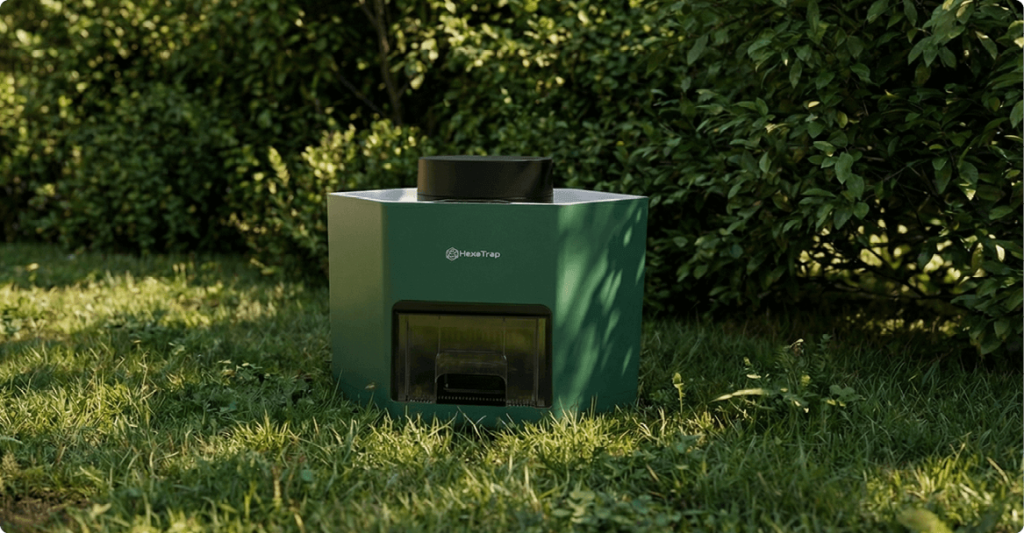
Think like a mosquito. If it’s too hot and exposed for you, it’s even worse for them so these is not where you’ll most likely find them.
Rule #2: Look for Humidity
Mosquitoes are strongly attracted to humid environments. You’ll often find them:
- Near plants and vegetation
- Around watering zones
- Close to damp soil or shaded corners
Placing your trap in a dry, open area will limit its reach. For best results:
- Choose slightly humid zones
- Avoid windy, exposed areas
- Stay close to natural resting spots

This increases the chances that mosquitoes will encounter the trap first (before your skin!).
Rule #3: Keep the Right Distance from Your Living Area
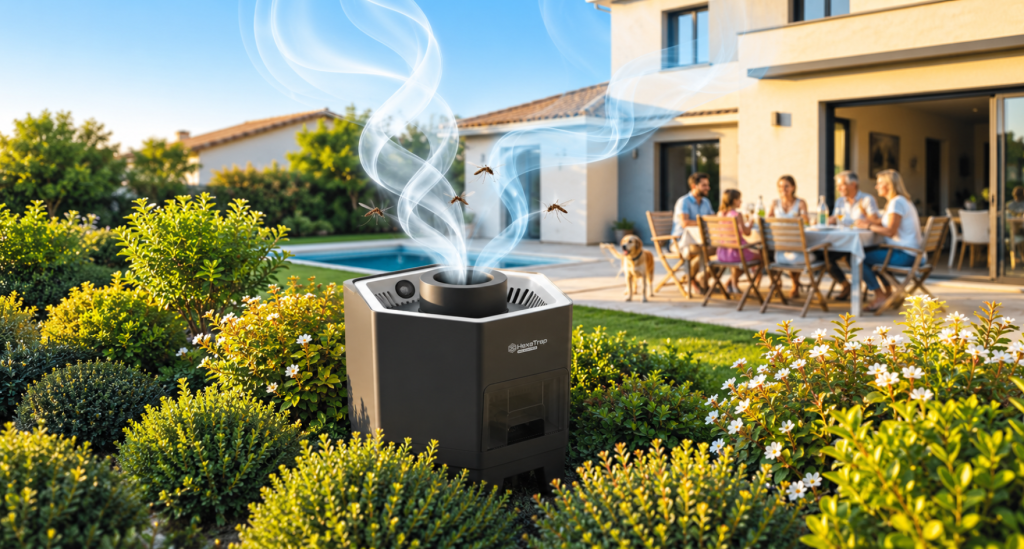
This is one of the most common mistakes. It’s tempting to place the trap right next to your terrace or seating area, but this can backfire.
Mosquito traps are designed to attract mosquitoes. If placed too close to you, they may draw mosquitoes into your immediate space before capturing them.

The ideal placement is:
- Around 5 to 10 metres away from where you sit
- Between mosquito zones and your living area
The goal is simple: you want to intercept mosquitoes before they reach you.
But what if your garden is on different levels? If your garden has terraces, slopes, or multiple levels, mosquito behaviour becomes even more important. They tend to stay close to vegetation, move gradually through shaded areas and follow humidity and shelter. In that case:
- Place traps on the level where mosquitoes are most present
- Prioritise lower, more humid zones
- Use multiple traps if needed to cover different areas
In multi-level gardens, a single trap may not be enough to create an effective barrier.
Don’t Overlook Performance: The Role of Attractant Gel
Even with perfect placement, a mosquito trap needs to remain attractive over time.
This is where the attractant gel plays a crucial role. Designed to mimic human scent, it enhances the trap’s ability to draw in mosquitoes: especially tiger mosquitoes, which are highly sensitive to these cues.
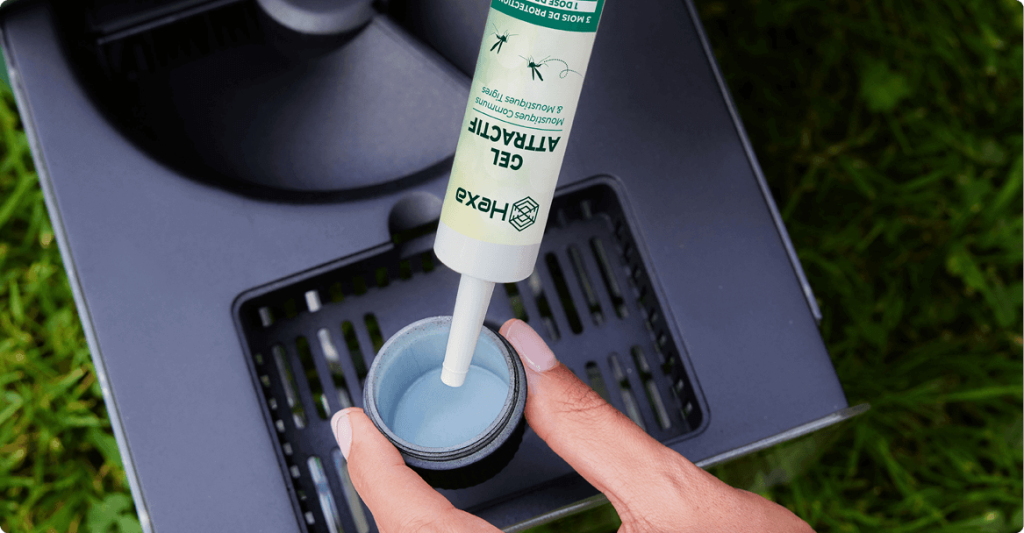
In practical terms, this attractant gel helps to:
- Increase the number of mosquitoes captured
- Maintain consistent performance over time
- Make your trap effective even in larger or more challenging outdoor spaces
Without an active attractant, a trap can quickly lose efficiency even if it’s perfectly placed.
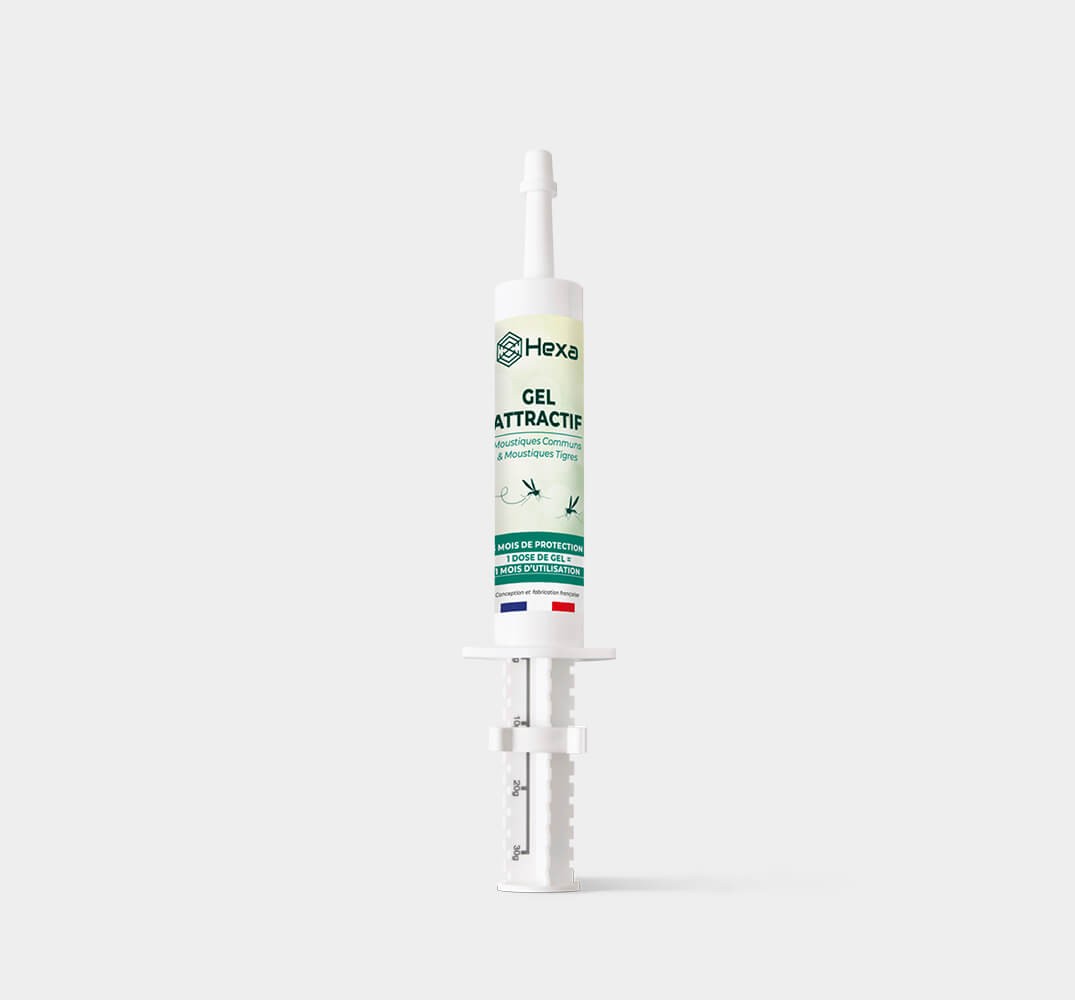
- Recharge de gel attractif qui reproduit l’odeur humaine pour attirer les moustiques vers le piège
- Formulation biocide TP19 validée par l’ANSES, sans insecticide ni pulvérisation
A Simple Checklist for Better Results
Before switching on your trap, ask yourself:
- Is it in the shade?
- Is it placed in a slightly humid area?
- Is it far enough from where I sit? But not too far? (Approx 5 to 10 meters)
- Is it positioned where mosquitoes are likely to pass?
- Is the attractant gel active and effective?
If the answer is yes to all of these, you’re already maximising your chances of success.
In a nutshell
When it comes to mosquito traps, effectiveness isn’t just about the technology. It’s about how you use it.
A well-placed trap, combined with the right attractant placed inside the trap, can significantly reduce mosquito presence in your garden. A poorly placed or poorly maintained one, on the other hand, may seem ineffective even if it’s working exactly as designed.
By understanding mosquito behaviour and applying a few simple rules, you can turn your trap into a truly powerful tool. Because sometimes, it’s not about doing more: it’s about placing things in the right spot, and making sure they stay effective over time.