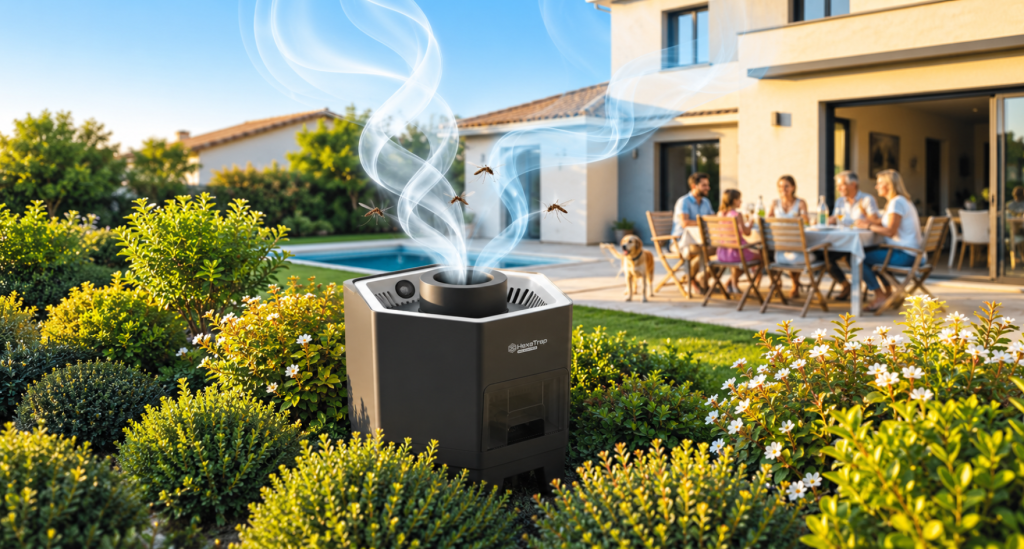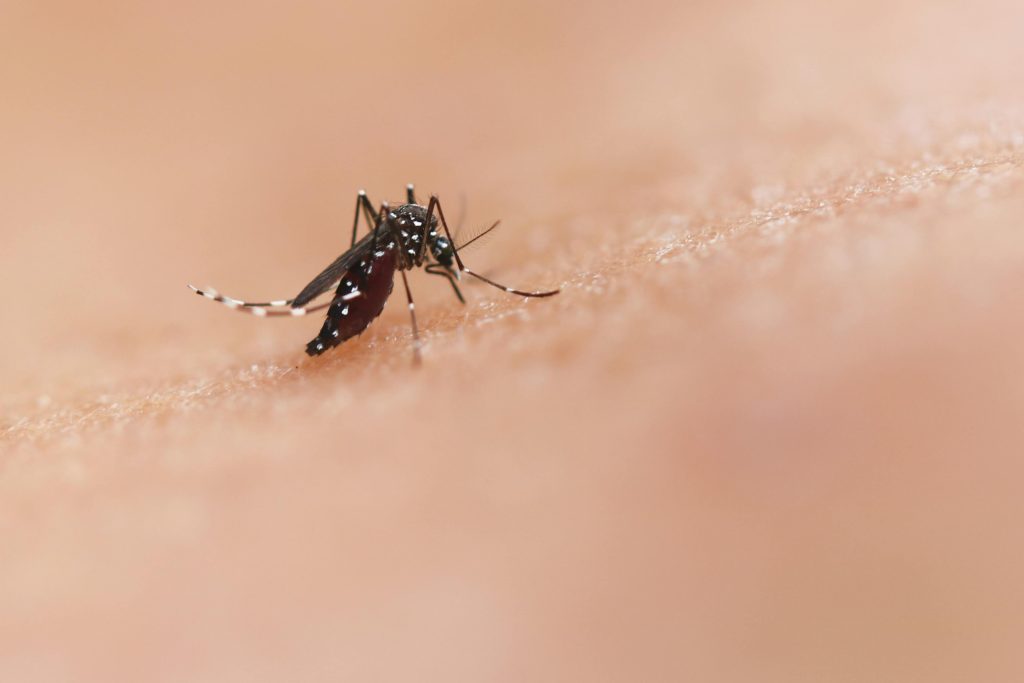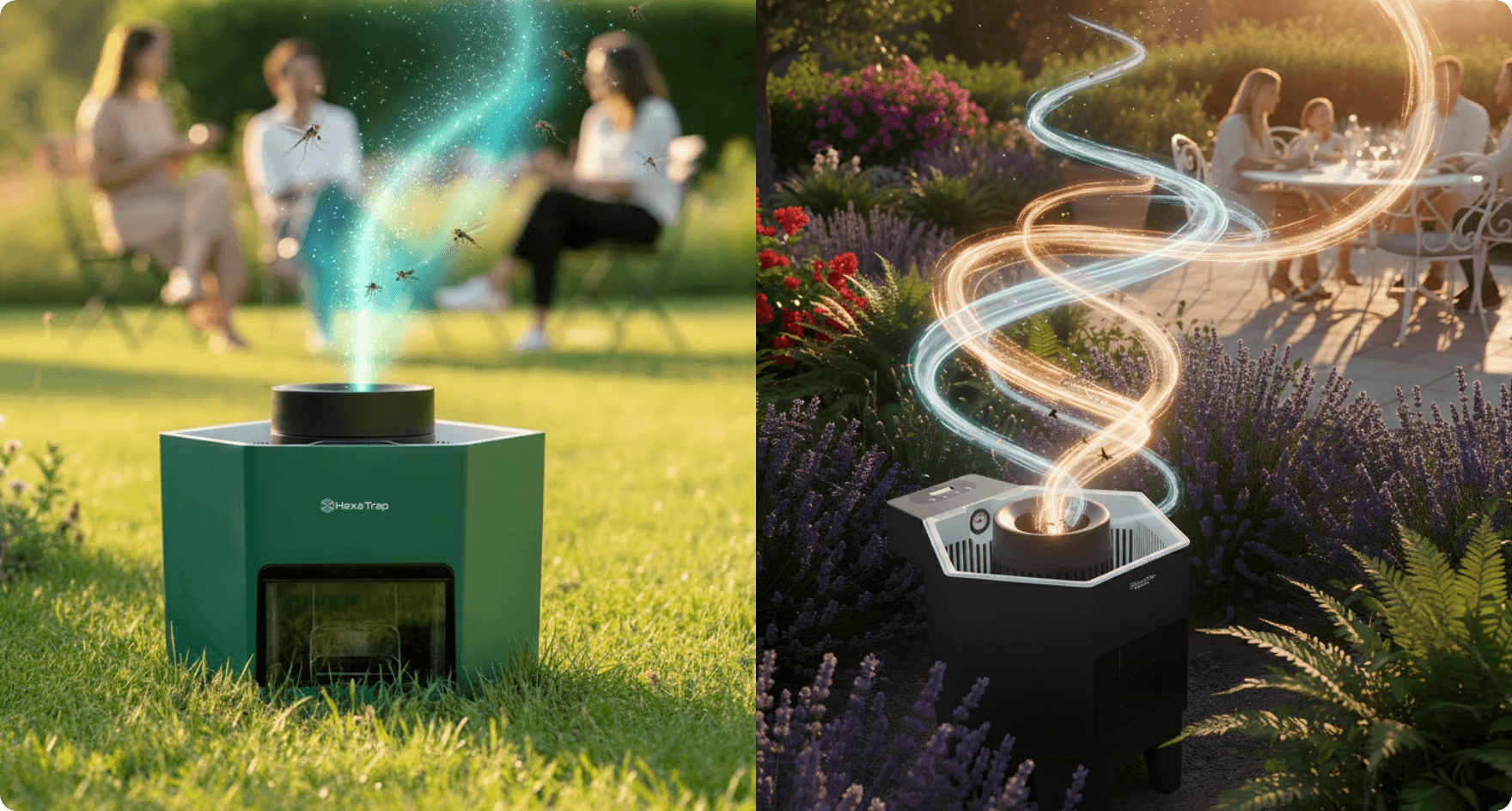


If you’ve started looking for the best mosquito trap for your garden, you’ve probably realised one thing quickly: there’s no shortage of options.
UV lamps, attractant-based traps, CO₂ systems… they all promise results, but they don’t all work in the same way, or with the same level of effectiveness. So how do you choose the right mosquito trap for your needs? The answer lies in understanding how mosquitoes actually behave, and choosing a solution that targets those behaviours effectively.
Why All Mosquito Traps Don’t Work the Same Way
Before comparing models, it’s important to understand one key point: not all mosquito traps rely on the same attraction mechanisms. The can use:
- UV light
- Attractant gel (human scent imitation)
- Carbon dioxide (CO₂)
The problem? Mosquitoes don’t respond equally to all of these signals. In reality, mosquitoes locate humans primarily through:
- Carbon dioxide (what we exhale)
- Body odours
- Heat
This means that traps based on these signals are naturally far more effective than those relying on light alone.
UV Mosquito Traps: Why They Often Fall Short
UV mosquito traps are widely available and often marketed as a simple, affordable solution. They work by emitting ultraviolet light to attract insects, which are then captured or eliminated.
The limitation
Mosquitoes are not strongly attracted to UV light. Unlike moths or flies, they rely much more on scent and CO₂ to find their targets. When a mosquito is looking for a target, CO₂ will be its first cue. A cue it can detect from up to 50 meters away. Once attracted, it will use colour contract and smell to navigate and find its target.
RAs a result, UV traps tend to:
- Capture mostly non-target insects
- Have limited impact on mosquito populations
- Perform poorly in outdoor environments
They may appear effective at first glance, but they rarely provide meaningful long-term mosquito control.
Attractant Gel Traps: A Reliable Everyday Solution
Mosquito traps using attractant gel are designed to mimic human scent, one of the strongest signals mosquitoes follow. This makes them a much more relevant and effective solution for real-world use.
HexaTrap: Outdoor Protection for Everyday Use
The HexaTrap is designed for outdoor environments such as:
- Terraces
- Balconies
- Medium-sized gardens
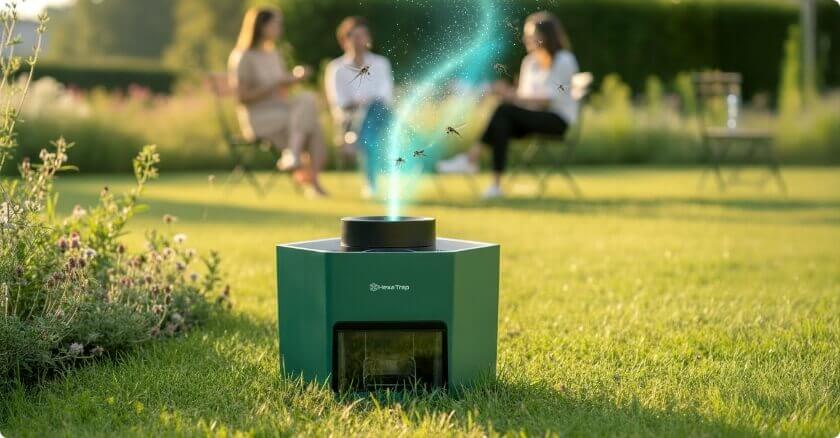
It works by diffusing an attractant that imitates human scent to draw mosquitoes towards the trap then capturing them using a controlled airflow system.
In terms of coverage, the HexaTrap is suitable for areas up to around 200 m²
When is it the right choice?
The HexaTrap Classic is ideal if:
- You have a moderate mosquito presence
- Your outdoor space is not excessively large
- You want a simple, effective, low-maintenance solution
It’s a balanced option that offers consistent results without added complexity.
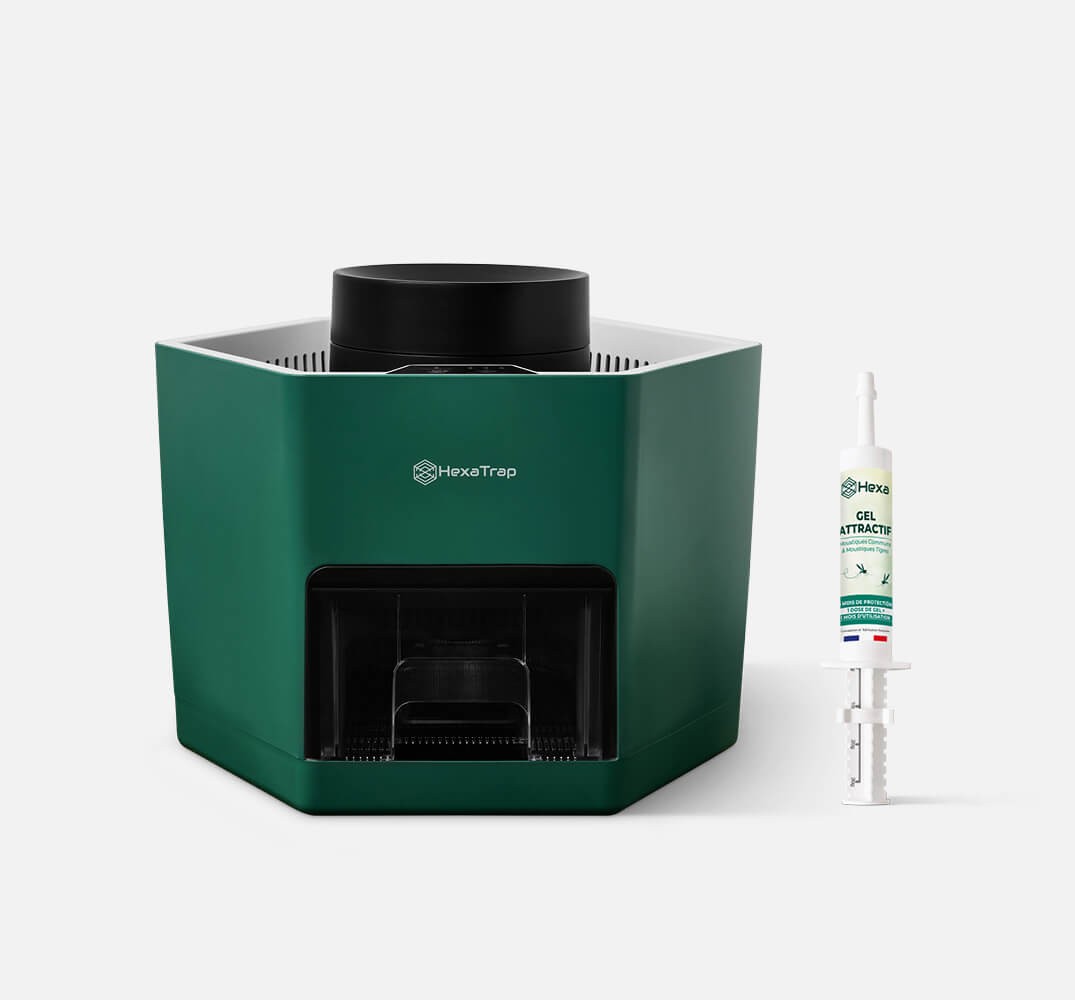
- Piège extérieur qui attire, aspire et capture les moustiques tigres et communs en reproduisant l’odeur humaine
- Réduit la présence de moustiques jusqu’à 300 m²
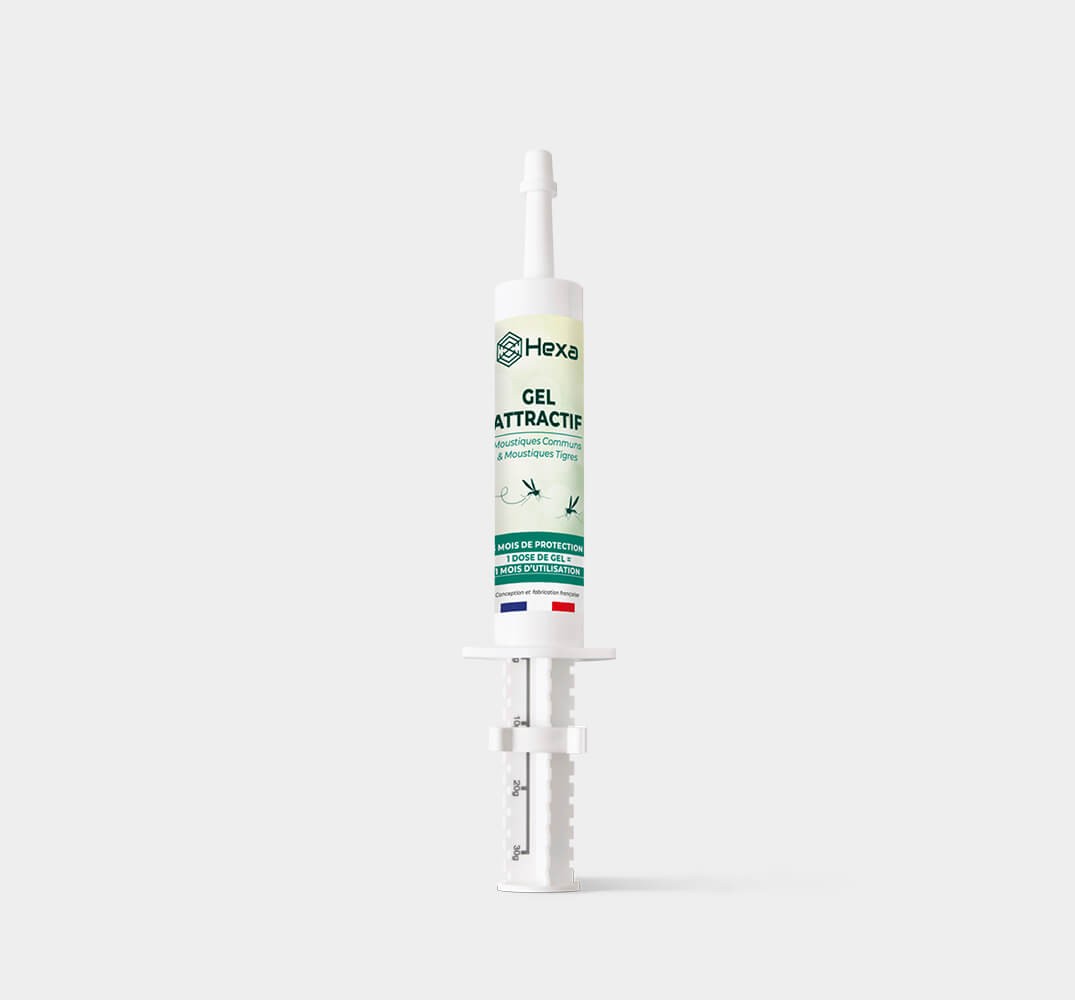
- Recharge de gel attractif qui reproduit l’odeur humaine pour attirer les moustiques vers le piège
- Formulation biocide TP19 validée par l’ANSES, sans insecticide ni pulvérisation
CO₂ Mosquito Traps: A More Advanced Solution
For larger spaces or higher mosquito pressure, CO₂ mosquito traps provide a more powerful approach. These systems replicate one of the most important signals mosquitoes use to locate humans: carbon dioxide.
HexaTrap CO2 Capture: High-Performance Outdoor Control
The HexaTrap CO2 Capture is designed for more demanding environments, including:
- Large gardens
- Areas with dense vegetation
- Locations with significant mosquito activity
It works by releasing CO₂ to simulate human breathing, therefore increasing attraction over a wider radius of up to 500 m².

Important to know
CO₂-based traps require gas bottles (the standard ones) to function. This involves a few more steps to set up the trap and ongoing maintenance (replacing or refilling bottles)
However, this added complexity comes with a clear advantage: significantly higher performances.
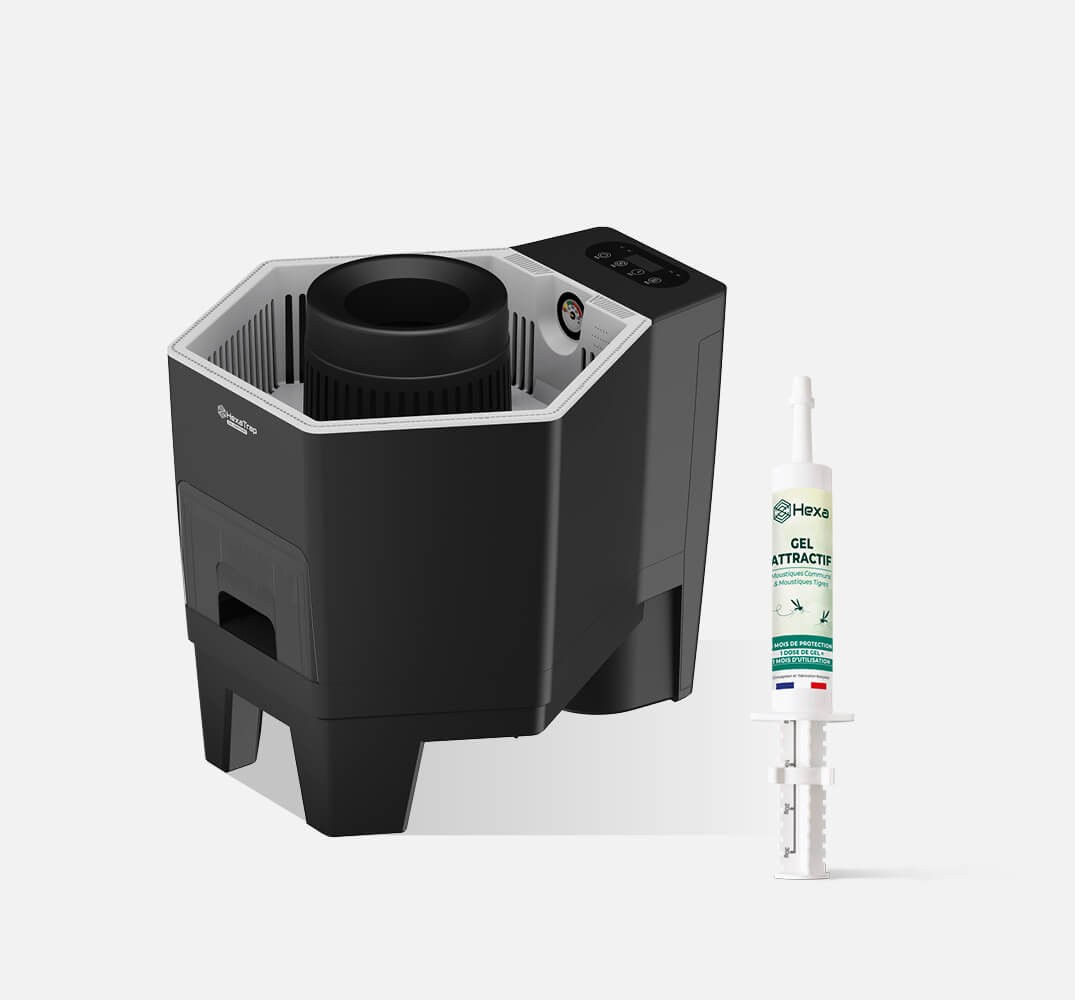
- Efficacité boostée grâce au CO₂ qui attire les moustiques sur une longue distance
- Application mobile intégrée pour contrôler le piège et optimiser la diffusion du CO₂
- Réduit la présence de moustiques jusqu’à 500 m²
- Compatible avec tous les cylindres de CO₂ standard à visser
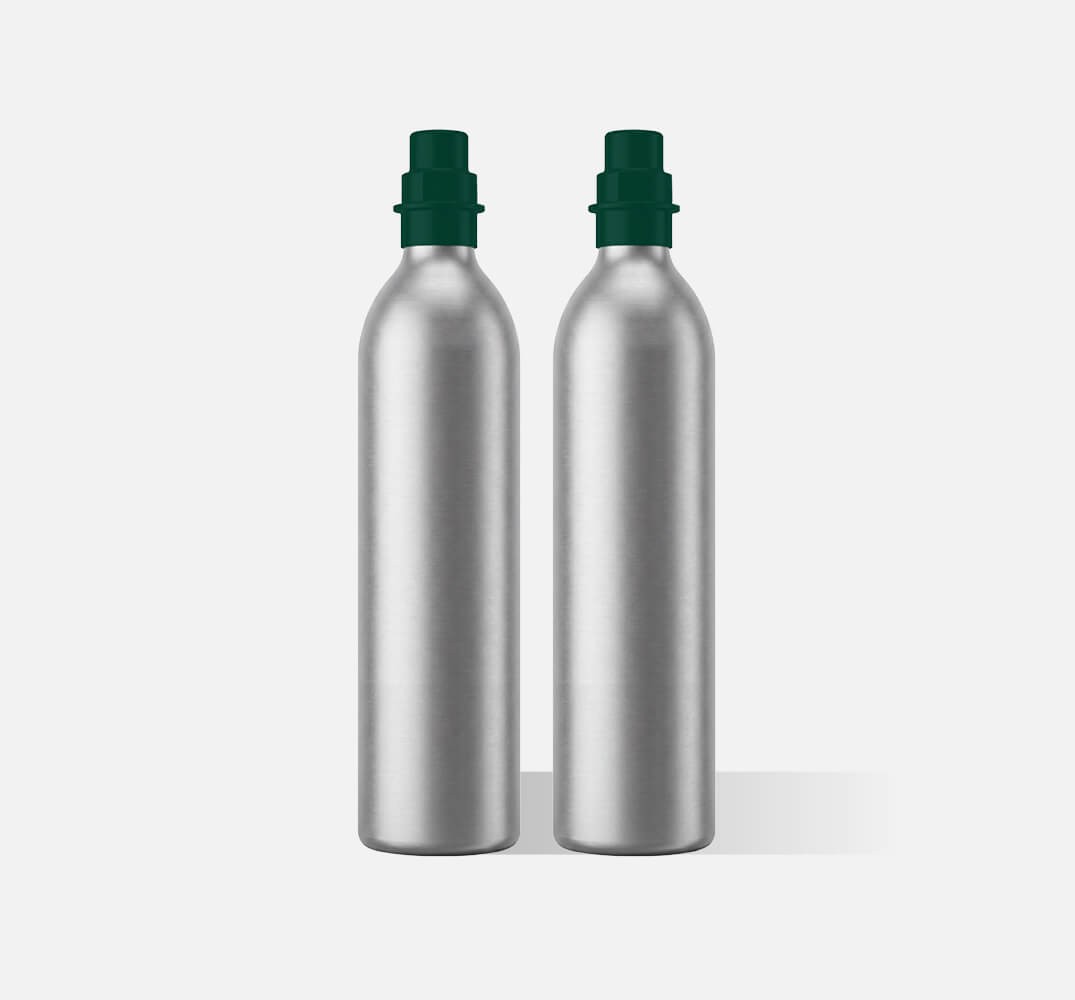
- Recharge de CO₂ qui simule la respiration humaine pour attirer les moustiques à longue distance
- Indispensable au fonctionnement du piège HexaTrap CO₂
Attractant Gel vs CO₂: A Clear Comparison
Choosing between attractant gel and CO₂ depends on your needs and environment. Here’s a simple way to compare:
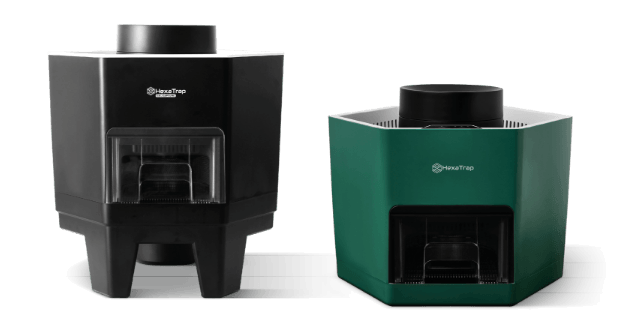
HexaTrap Classic (Attractant Gel)
- Coverage: up to ~200 m²
- Setup: simple
- Maintenance: low
- Best for: terraces, small to medium gardens
- Performance: reliable for everyday use
HexaTrap CO2 Capture
- Coverage: up to ~500 m²
- Setup: more advanced
- Maintenance: requires CO₂ bottles
- Best for: large gardens, heavy infestations
- Performance: high-level, long-range attraction
In short: for everyday comfort, you can choose either HexaTrap Classic, or HexaTrap CO2 Capture. The choice will only depend on the surface you have to cover, and how active the mosquitoes are in this zone.
Common Mistakes When Choosing a Mosquito Trap
Even with the right product, certain mistakes can reduce effectiveness. Here are the most common ones:
1/ Choosing a UV trap for outdoor use
UV traps may seem convenient, but they are rarely effective against mosquitoes outdoors. Result: little to no impact on mosquito populations.
2/ Underestimating the size of the area
Using a trap designed for small spaces in a large garden will limit results. Always match the trap’s coverage to your actual surface area.
3/ Ignoring mosquito behaviour
Mosquitoes follow scent, CO₂, humidity, and shade, not light. Choosing the wrong technology leads to poor results.
4/ Skipping maintenance
Without this, performance drops over time. Even the best trap needs regular upkeep:
- Managing CO₂ supply
- Replacing attractant gel
A Smarter Way to Choose: Start with Your Needs
Instead of focusing only on features, start by assessing your situation:
- How large is your outdoor space?
- How strong is the mosquito presence?
- Do you need a simple or advanced solution?
- Are you looking for daily comfort or heavy-duty control?
Answering these questions makes the choice much clearer.
Not Sure? Use the Product Finder
If you’re still unsure which mosquito trap is right for you, the easiest approach is to use our guided tool. Take the quick test here to find your ideal solution.
This helps you choose based on your actual needs, not guesswork.
FAQ: Choosing the Best Mosquito Trap
Do CO₂ mosquito traps really work?
Yes. They are among the most effective solutions, especially for large outdoor areas and high mosquito populations.
Are UV mosquito traps effective outdoors?
In most cases, no. Mosquitoes are not strongly attracted to UV light, making these traps less effective in real conditions.
Which mosquito trap should I choose for my garden?
For small to medium spaces, an attractant-based trap is usually sufficient. For larger areas or heavy infestations, a CO₂ trap is more suitable.
Final Thoughts
Choosing the best mosquito trap isn’t about picking the most visible or affordable option — it’s about choosing a solution that aligns with how mosquitoes actually behave. While UV traps may seem appealing, they rarely deliver meaningful results. Technologies based on attractant gel and CO₂, on the other hand, directly target mosquito behaviour, making them far more effective in real outdoor environments.
By selecting the right solution for your space, you move beyond temporary fixes and towards real, long-term control. Because when it comes to your war against mosquitoes, the right choice doesn’t just improve comfort. It changes the game entirely.