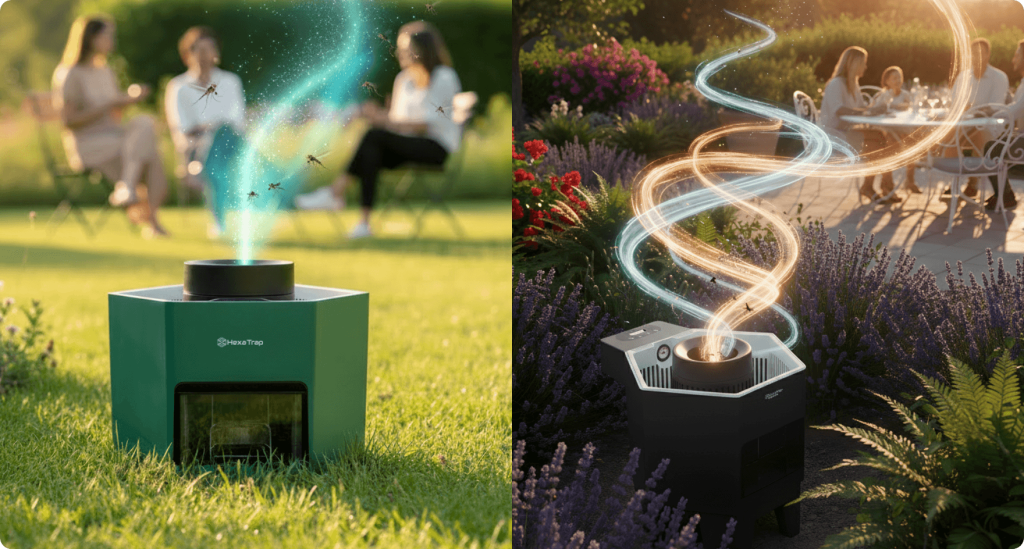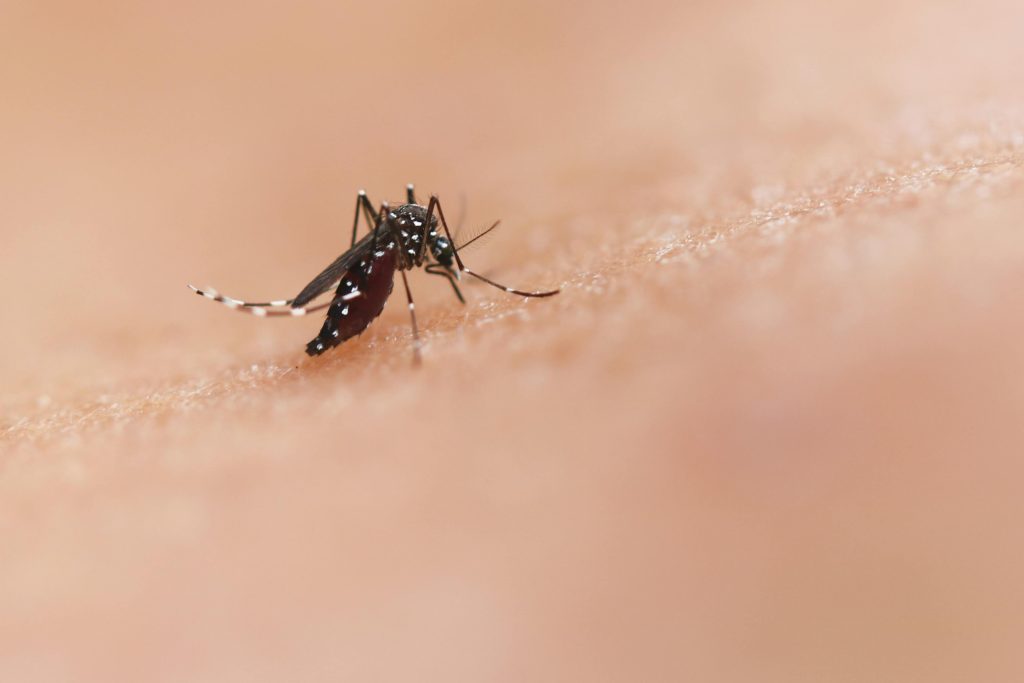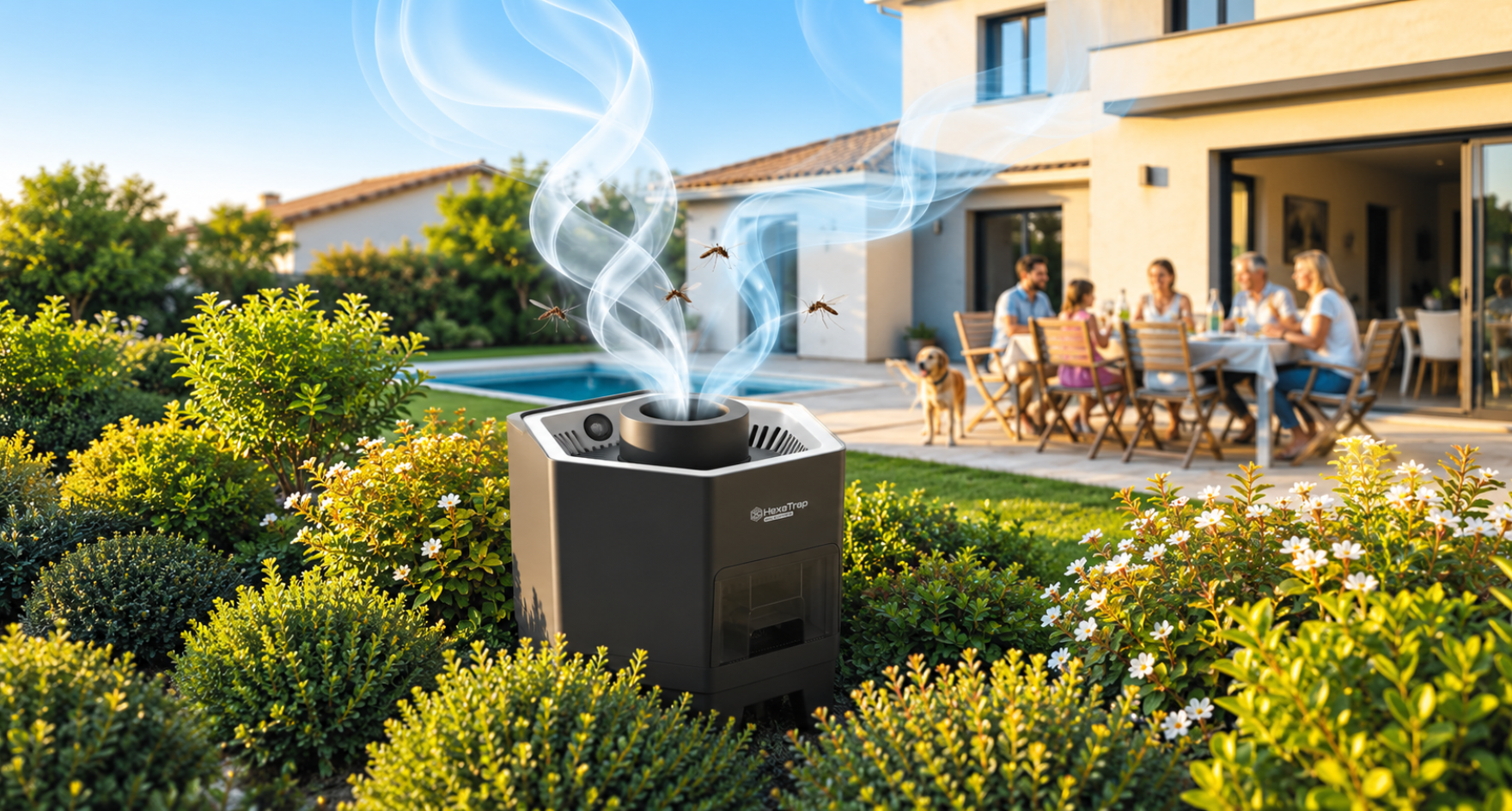


You’ve installed a mosquito trap, followed the instructions, switched it on… and a few days later, you’re still getting bitten.
It’s one of the most common questions people ask: why is my mosquito trap not working?
The good news is that, in most cases, the problem isn’t the trap itself. It’s often a matter of placement, maintenance, expectations, or understanding how mosquitoes behave.
Before giving up on your mosquito trap, here are seven common mistakes that could be limiting its effectiveness. Here’s our guide on how to fix them.
First Things First: Mosquito Traps Aren’t Instant Solutions
Before diving into the mistakes, it’s important to understand one thing: a mosquito trap is not designed to eliminate every mosquito overnight.
Unlike a spray, which provides immediate but temporary relief, a trap works by reducing the mosquito population over time. The goal is to capture female mosquitoes before they can continue breeding and biting.
Depending on the size of the population and your environment, noticeable results may take anywhere from a few days to several weeks. Patience is definitely part of the process.
Mistake #1: Placing the Trap in Direct Sunlight
Mosquitoes avoid hot, exposed areas. Instead, they naturally seek out shade, vegetation and and humid environments.
If your trap is sitting in direct sunlight all day, it may simply be in the wrong place. Move the trap to:
- A shaded corner of the garden
- Under a tree
- Along a hedge
- Near vegetation
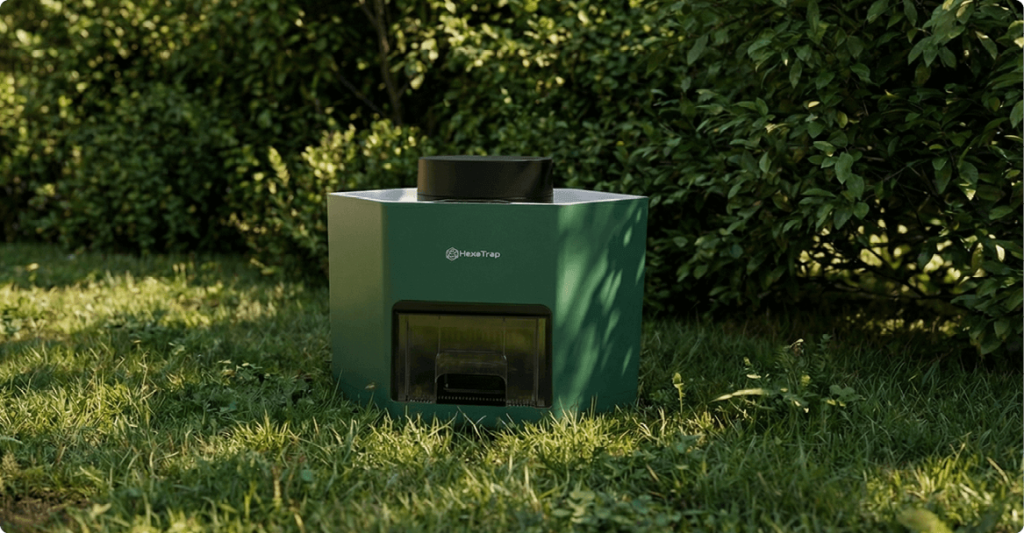
The more attractive the location is to mosquitoes, the better the trap will perform.
Mistake #2: Putting the Trap Too Close to You
This is probably the most common placement mistake. Many people instinctively place their mosquito trap right next to their outdoor dining table or seating area.
The problem? Mosquito traps attract mosquitoes. If the trap is too close to where you’re sitting, mosquitoes may be drawn into your immediate surroundings before being captured.
Try and position the trap around 5 to 10 metres away from your living area. Or discover our complete step-by-step guide on finding the perfect location for your trap.
Mistake #3: Forgetting to Replace the Attractant
For attractant-based traps, the lure is a critical component.
Products such as the HexaTrap Classic rely on attractant gel that mimic human scent to draw mosquitoes in. Over time, the effectiveness of the attractant naturally decreases.
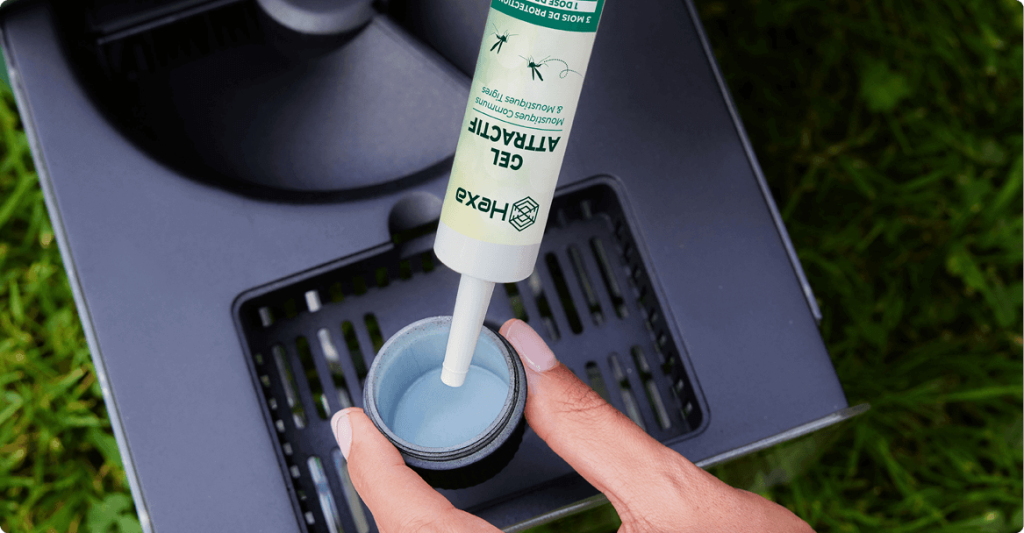
Check:
- Whether your attractant is still active
- The manufacturer’s replacement recommendations
Using a fresh attractant gel helps maintain the trap’s performance throughout the mosquito season.
Mistake #4: Choosing the Wrong Trap for Your Garden Size
Not all mosquito traps are designed to cover the same area.
A trap that’s perfect for a small terrace may struggle to protect a large garden.
The HexaTrap Classic is designed for outdoor environments such as:
- Terraces
- Balconies
- Medium-sized gardens
The HexaTrap CO2 Capture is designed for more demanding environments, including:
- Large gardens
- Areas with dense vegetation
- Locations with significant mosquito activity
It works by releasing CO₂ to simulate human breathing, therefore increasing attraction over a wider radius of up to 500 m².
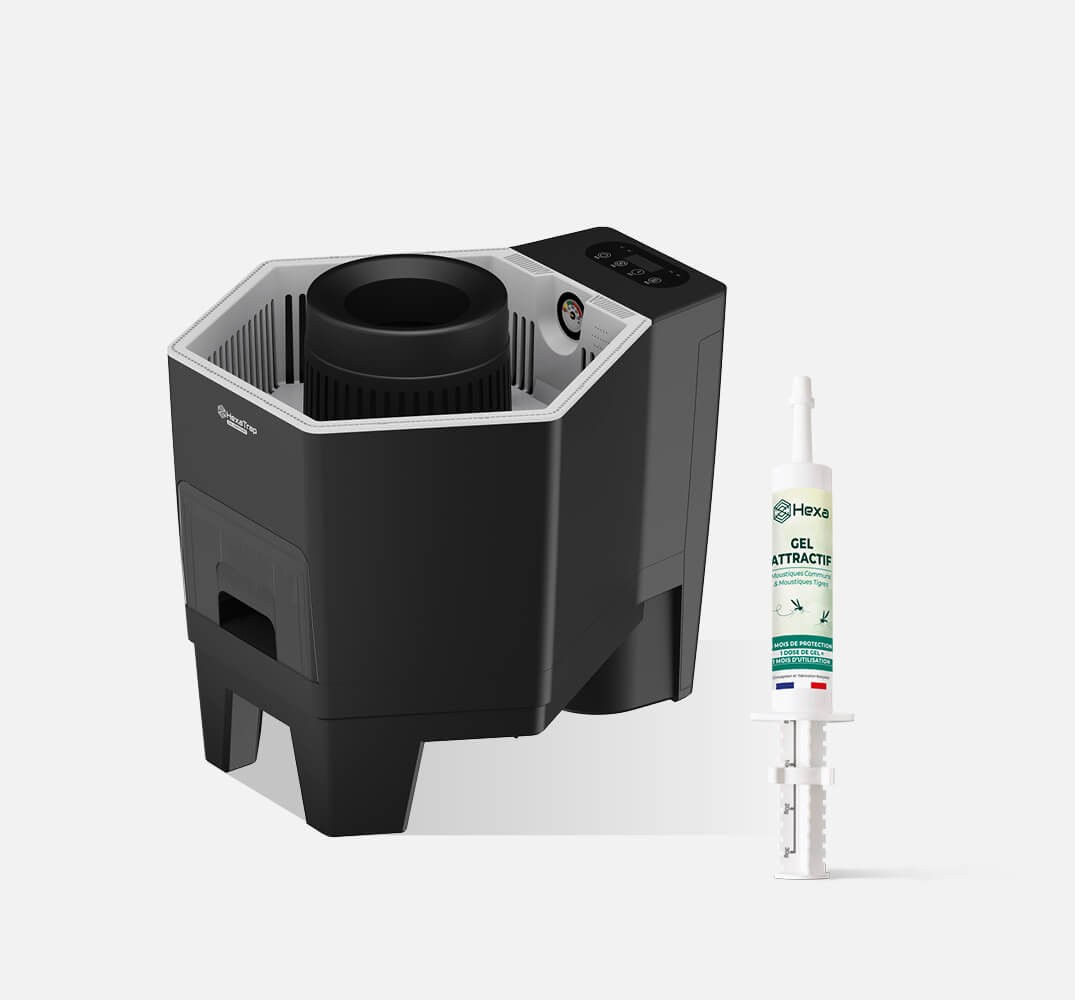
- Efficacité boostée grâce au CO₂ qui attire les moustiques sur une longue distance
- Application mobile intégrée pour contrôler le piège et optimiser la diffusion du CO₂
- Réduit la présence de moustiques jusqu’à 500 m²
- Compatible avec tous les cylindres de CO₂ standard à visser
Mistake #5: Ignoring Breeding Sites Around Your Home
Even the most effective mosquito trap can’t compensate for dozens of active breeding sites.
Many people remove obvious standing water but overlook smaller sources.
Common mosquito breeding sites include:
- Flowerpot saucers
- Buckets and watering cans
- Gutters and drains
- Tarpaulins, covers, or garden furniture
- Children’s toys or containers forgotten outside
Mistake #6: Expecting One Trap to Solve Everything
If mosquitoes are present across a large property, a single trap may not be enough.
This is especially true if:
- Your garden is large
- You have multiple terraces
- There is dense vegetation
- Nearby properties also have mosquito populations
Depending on your setup, consider:
- Adding additional traps
- Protecting different zones separately
- Combining traps with breeding-site control
Mosquito management is often about creating a system rather than relying on a single device.
How to Improve Your Mosquito Trap Results
If you’re not seeing the results you expected, use this simple checklist:
✅ Is the trap in the shade?
✅ Is it placed away from your seating area?
✅ Is the attractant still active?
✅ Have you removed standing water nearby?
✅ Have you given it enough time?
✅ Is the trap suitable for the size of your garden?
If you’ve answered “yes” to all of these questions, you’re already maximising your chances of success.
Not Sure if You Have the Right Trap?
Sometimes the issue isn’t how you’re using the trap — it’s whether you’re using the most suitable model for your environment. If you’re unsure which solution is right for you, you can use our Product Finder to get a personalised recommendation.
FAQ: Mosquito Trap Performance
How long does it take for a mosquito trap to work?
Most users begin to notice improvements within one to two weeks, although results vary depending on mosquito density and environmental conditions.
Why is my mosquito trap catching insects but not mosquitoes?
This often happens with UV-based traps. Mosquitoes are primarily attracted to carbon dioxide and scent rather than light.
Does attractant gel really make a difference?
Yes. Attractant gel helps mimic human scent, which is one of the key signals mosquitoes use to locate their targets.
Should I leave my mosquito trap running all the time?
For best results, mosquito traps should generally operate continuously during the mosquito season.
Final Thoughts
If your mosquito trap doesn’t seem to be working, don’t assume it’s a faulty product.
In most cases, the issue comes down to one of a handful of common mistakes: poor placement, insufficient maintenance, unrealistic expectations, or choosing a trap that doesn’t match your environment.
The good news is that these problems are usually easy to fix. By understanding how mosquitoes behave and making a few simple adjustments, you can significantly improve the effectiveness of your mosquito trap — and spend less time swatting, scratching, and wondering where all those bites are coming from.